Two great rivers cross a continent to meet in Sudan — and from their embrace, a nation was born. نهران عظيمان يعبران قارّةً ليلتقيا في السودان — ومن عناقهما، وُلِدت أمّة.
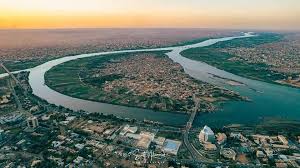
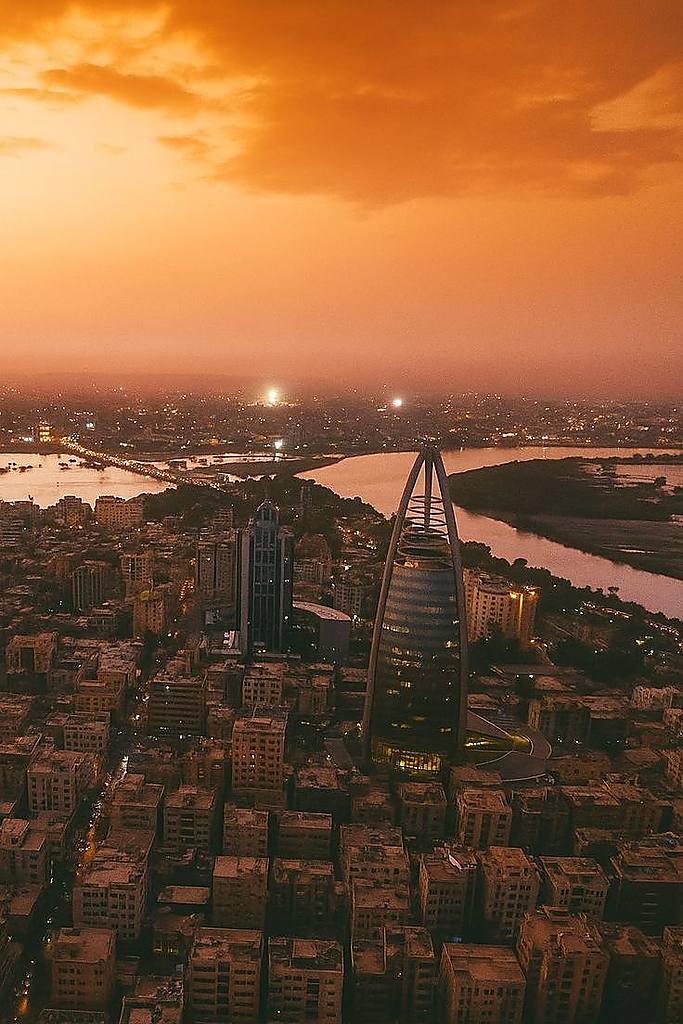
At Khartoum the Blue Nile, born in the Ethiopian highlands, meets the White Nile flowing from the heart of Africa. For a stretch their waters run side by side — one deep blue, one pale silver — before becoming a single river that journeys north to the sea. عند الخرطوم يلتقي النيل الأزرق، المولود في مرتفعات الحبشة، بالنيل الأبيض القادم من قلب إفريقيا. ولمسافةٍ تجري مياههما جنبًا إلى جنب — أزرقُ عميقٌ وفضيٌّ شاحب — قبل أن يصيرا نهرًا واحدًا يمضي شمالًا نحو البحر.
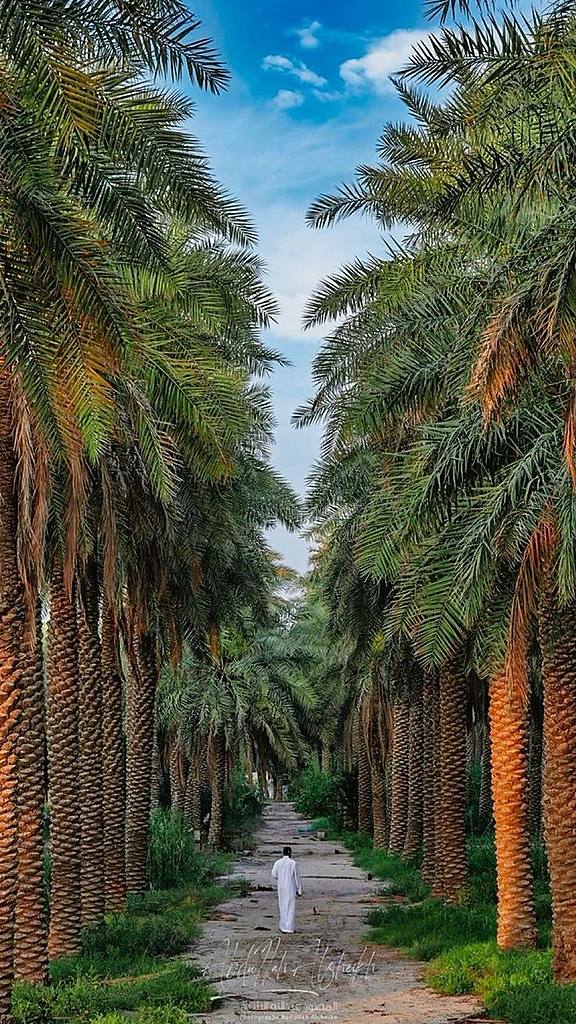
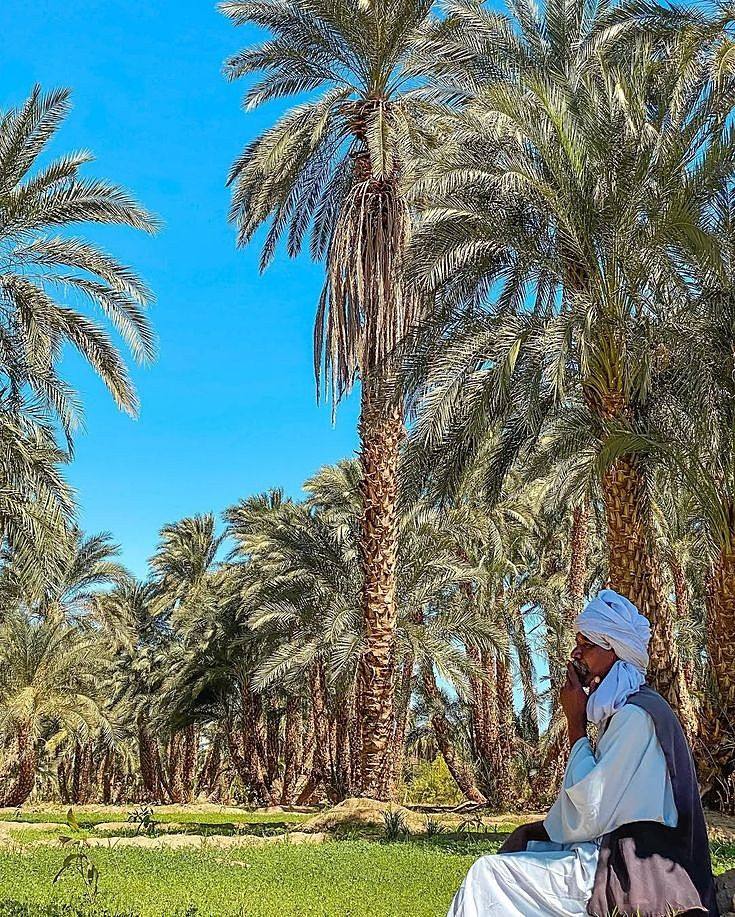
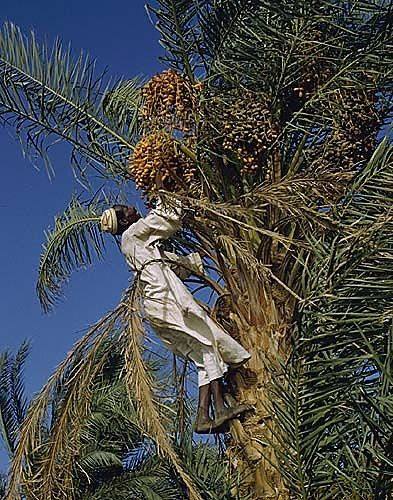
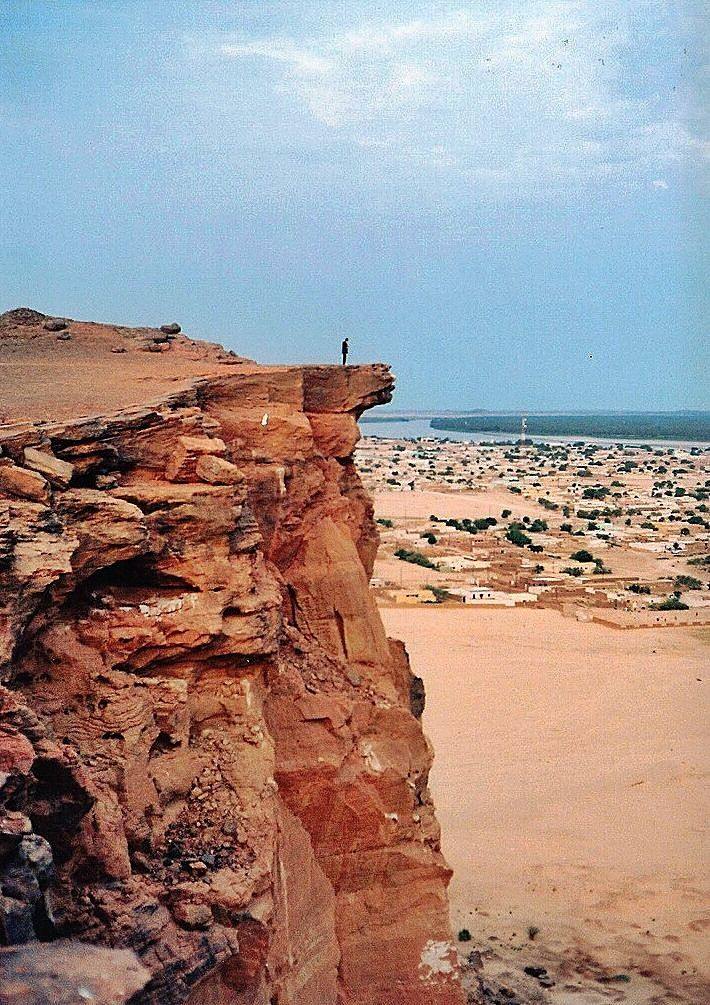
Along its banks, palm groves and farms turn desert into green. Feluccas drift past fishermen and water-wheels, and at dusk the whole river turns to gold. The Nile is not just water in Sudan — it is memory, livelihood and home. على ضفافه، تحوّل بساتين النخيل والمزارع الصحراء إلى خُضرة. تنساب المراكب الشراعية بجوار الصيادين والسواقي، وعند الغروب يتحوّل النهر كلّه إلى ذهب. النيل في السودان ليس ماءً فحسب — بل ذاكرةٌ ورزقٌ ووطن.
Between the two Niles lie some of the most fertile plains on Earth. The vast Gezira Scheme, fed by the rivers, made Sudan a breadbasket of the region — fields of sorghum, sesame, cotton and the world's finest gum arabic stretching to the horizon. بين النيلين تمتد بعض أخصب سهول الأرض. مشروع الجزيرة الهائل، الذي يرويه النهران، جعل السودان سلة غذاءٍ للمنطقة — حقول الذرة والسمسم والقطن وأجود صمغٍ عربيٍّ في العالم تمتدّ حتى الأفق.
“We are the children of a river that refused to let the desert win.”
«نحن أبناء نهرٍ أبى أن يترك الصحراء تنتصر.»
A Sudanese sayingمثلٌ سوداني