A gateway through which Islam flowed up the Nile and into the heart of Africa — a land of mosques, khalwas and the Sufi paths.بوّابةٌ تدفّق منها الإسلام صعدًا مع النيل إلى قلب إفريقيا — أرضُ المساجد والخلاوي والطُّرق الصوفية.
A faithful landأرضٌ مؤمنة
Where Faith Took Rootحيث ضرب الإيمان جذوره
Islam did not come to Sudan by the sword but by the river, the caravan and the trader's word. Over centuries it wove itself into the land between the two Niles — most Sudanese follow the Maliki school of Sunni Islam, deeply coloured by Sufism — until Sudan became a bridge carrying the faith into Africa and home to some of the most beloved Sufi orders on the continent.لم يأتِ الإسلام إلى السودان بالسيف، بل بالنهر والقافلة وكلمة التاجر. وعبر القرون تغلغل في الأرض الممتدّة بين النيلين — وأغلب السودانيين على المذهب المالكي السُّنّي، تصبغه روح التصوّف — حتى صار السودان جسرًا يحمل الدين إلى إفريقيا، وموطنًا لأحبّ الطُّرق الصوفية في القارّة.
~97%Of Sudanese are Muslimمن السودانيين مسلمون
652The Baqt treaty agreedعام معاهدة البقط
1504Sennar, the Muslim sultanateقيام سلطنة سنار المسلمة
A Peaceful Beginningبدايةٌ مسالمة
Islam Comes Up the Nileالإسلام يصعد مع النيل
البقط
In 652 CE, Muslims and the Christian Nubian kingdom of Makuria agreed the Baqt — a remarkable treaty of peace and exchange that held for some six hundred years, among the longest-honoured pacts in history. Islam then spread slowly and peacefully through merchants, marriage and migration. By 1317 the very throne hall of Old Dongola had become a mosque — a quiet sign that the faith had taken root along the river.في عام 652م عقد المسلمون ومملكة المُقُرّة النوبية المسيحية معاهدة «البقط» — اتفاق سلامٍ وتبادلٍ بديعٌ صمد نحو ستّة قرون، من أطول العهود التزامًا في التاريخ. ثمّ انتشر الإسلام رويدًا وبسلامٍ عبر التجارة والمصاهرة والهجرة، حتى تحوّلت قاعة العرش في دُنقُلا العَجوز إلى مسجدٍ سنة 1317م — إشارةٌ هادئة إلى أنّ الدين قد ضرب جذوره على ضفاف النهر.
652The Baqt agreedعام إبرام البقط
~600Years the treaty heldعامًا صمدت المعاهدة
1317Dongola's throne hall becomes a mosqueتحوُّل قاعة عرش دنقلا إلى مسجد
The Blue Sultanateالسلطنة الزرقاء
Sennar, City of Scholarsسنار، مدينة العلماء
سلطنة الفونج
From 1504 the Funj Sultanate ruled from Sennar, and its kings drew scholars from across the Muslim world. Wandering holy men — the fuqara — settled the villages, teaching jurisprudence and the Quran. Their lives were later gathered in the Tabaqat of Wad Dayfallah, Sudan's own chronicle of its saints, scholars and poets — and Sennar grew into one of Africa's great centres of Islamic learning.منذ عام 1504م حكمت سلطنة الفونج من سنار، فاجتذب ملوكها العلماء من شتّى أنحاء العالم الإسلامي. واستقرّ المتجوّلون من رجال الدين — الفُقَراء — في القرى يُعلّمون الفقه والقرآن، ثمّ جُمعت سِيَرهم في «طبقات ود ضيف الله»، سِجلّ السودان لأوليائه وعلمائه وشعرائه — حتى غدت سنار من أعظم منارات العلم الإسلامي في إفريقيا.
SennarسنارStudy circlesحِلَق العلم
Land of the Tariqasبلد الطُّرق
The Sufi Pathsالطُّرق الصوفية
More than anywhere, Sudan is a land of Sufi orders — the tariqas — that spread the faith through villages with dhikr, song and devotion. Each Friday at the tomb of Sheikh Hamed al-Nil in Omdurman, the dervishes gather in their patched robes to chant and turn in remembrance of God — a living scene of Sudanese spirituality.أكثر من أيّ مكان، السودان بلد الطُّرق الصوفية التي نشرت الدين في القرى بالذِّكر والإنشاد والمحبّة. وفي كلّ جمعةٍ عند قُبّة الشيخ حمد النيل بأمدرمان، يجتمع الدراويش في ثيابهم المرقّعة ينشدون ويدورون في ذكر الله — مشهدٌ حيٌّ من روح السودان.
القادرية
Qadiriyya
16th centuryالقرن السادس عشر
The earliest order in Sudan, carried by Taj al-Din al-Bahari, who taught its dhikr to the sheikhs of the Nile.أقدم الطُّرق في السودان، حملها تاج الدين البهاري الذي لقّن مشايخ النيل ذِكرها.
السمانية
Sammaniyya
18th centuryالقرن الثامن عشر
Brought from the Hijaz by Sheikh Ahmad al-Tayyib al-Bashir, it became one of the most widespread paths in the land.جلبها من الحجاز الشيخ أحمد الطيّب البشير، فصارت من أوسع الطُّرق انتشارًا في البلاد.
الختمية
Khatmiyya
19th centuryالقرن التاسع عشر
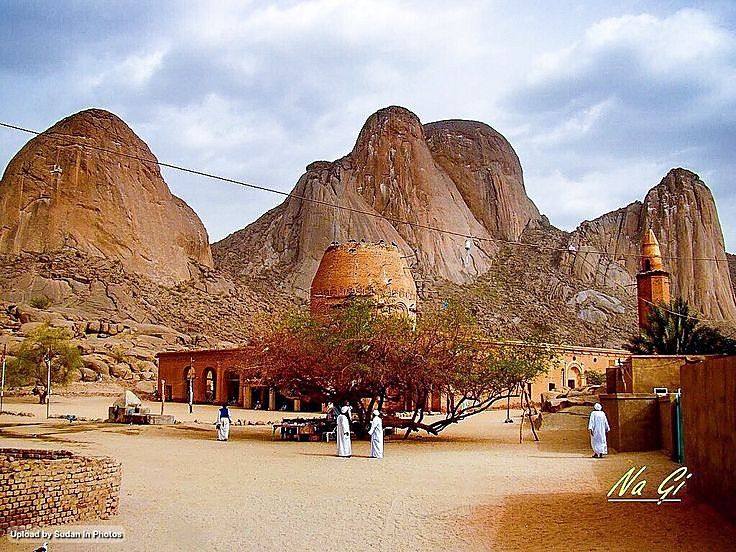
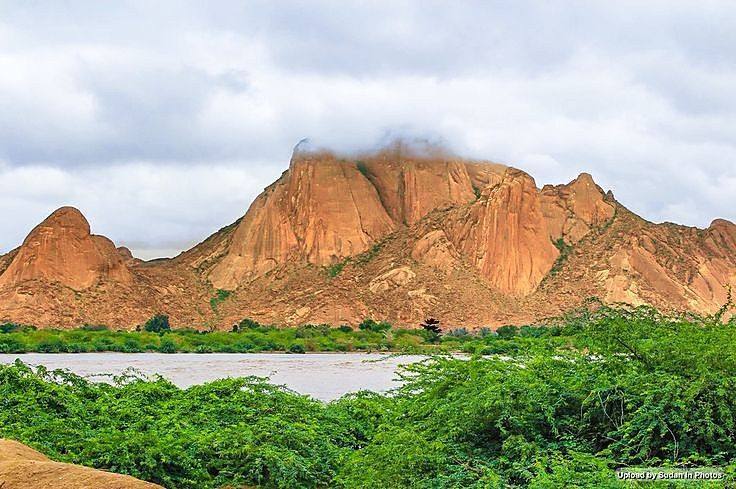
Founded by Muhammad Uthman al-Mirghani; its domed shrine rises beneath the Taka Mountains of Kassala.أسّسها محمد عثمان الميرغني، وتقوم قبّتها المهيبة عند سفح جبال التاكا في كسلا.
التجانية والإسماعيلية
Tijaniyya & Ismailiyya
Across the westفي الغرب
The Tijaniyya flourished among western communities, while the Ismailiyya rose in Kordofan under Ismail al-Wali.ازدهرت التجانية بين أهل الغرب، ونشأت الإسماعيلية في كردفان على يد إسماعيل الوليّ.
Gateway to Meccaبوّابة مكّة
Suakin & the Pilgrim Seaسواكن وبحرُ الحجيج
البحر الأحمر
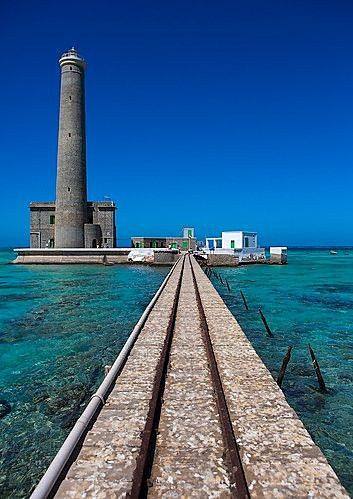
On the Red Sea coast, the coral city of Suakin was for centuries the great gateway of the pilgrimage. From its harbour Sudanese pilgrims — and waves of West African travellers crossing the whole continent — set sail for Jeddah and the holy cities. Along these roads the faith, learning and lineage of the Nile reached far into Africa, and beyond.على ساحل البحر الأحمر، كانت مدينة سواكن المرجانيّة لقرونٍ بوّابةَ الحجّ الكبرى. من مينائها أبحر حُجّاج السودان — وأفواجٌ من مسافري غرب إفريقيا يقطعون القارّة بطولها — نحو جدّة والبلد الحرام. وعلى هذه الدروب بلغ إيمانُ النيل وعلمُه ونسبُه أعماقَ إفريقيا وما وراءها.
SuakinسواكنPilgrim shipsسفن الحجيج
The Khalwaالخلوة
Keepers of the Quranحَفَظةُ القرآن
اللوح والقُبّة
In every region the khalwa — the village Quran school, wooden slate in hand — taught children to read and to memorise the Book. Sudan became renowned across the Muslim world for its hufaz and the beauty of its recitation. And dotting the land are the qubbas — the whitewashed domed tombs of beloved sheikhs, where families still gather to remember the saints who first lit the way.في كلّ إقليمٍ كانت الخلوة — مدرسة القرآن في القرية واللوحُ في اليد — تُعلّم الصغار القراءة وحفظ كتاب الله. واشتهر السودان في العالم الإسلامي بحُفّاظه وجمال تلاوته. وتنتشر في أرجائه القِباب — أضرحة المشايخ المُبيَّضة بقبابها — حيث تجتمع الأُسَر إلى اليوم تذكر الأولياء الذين أناروا الدرب أوّلًا.
Quran schoolsالخلاويDomed shrinesالقِباب
“In Sudan, faith is not only prayed — it is sung, shared and carried down the river.”
«في السودان، لا يُصلّى الإيمان وحسب — بل يُنشَد ويُقاسَم ويُحمَل مع النهر.»