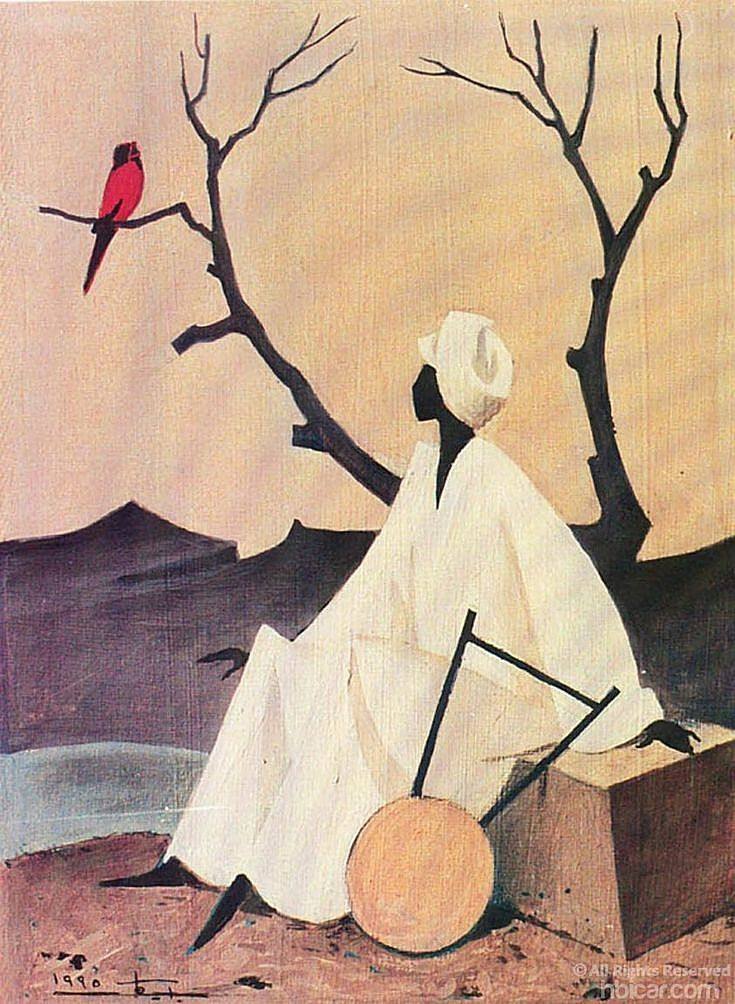
Two centuries of conquest, faith and revolution — and a people who keep rising. This is the story of Sudan's battles, and its unbreakable hope for peace.قرنان من الغزو والإيمان والثورة — وشعبٌ لا يكفّ عن النهوض. هذه حكاية معارك السودان، وأمله الذي لا يُكسَر في السلام.
Why this pageلماذا هذه الصفحة
A Land That Refuses to Fallأرضٌ تأبى السقوط
For two hundred years Sudan has been conquered, colonised, liberated and shaken — yet its people have never stopped fighting for their dignity. We tell this story not to glorify war, but to honour those who endured it, and to spread awareness of a nation that today, more than ever, needs the world to remember it.منذ مئتي عامٍ فُتح السودان واستُعمر وتحرّر وزُلزل — ومع ذلك لم يكفّ أهله عن الكفاح من أجل كرامتهم. نروي هذه الحكاية لا تمجيدًا للحرب، بل تكريمًا لمن صبروا عليها، ونشرًا للوعي بأمّةٍ تحتاج اليوم — أكثر من أيّ وقتٍ مضى — أن يتذكّرها العالم.
1821Turco-Egyptian conquest beginsبداية الحكم التركي
In 1820–21 the armies of Muhammad Ali Pasha of Egypt — then a province of the Ottoman Empire — marched up the Nile in search of gold and soldiers. The old Funj kingdom of Sennar fell, Kordofan was taken, and Khartoum was founded as the seat of a new government. For six decades this rule, known as the Turkiyya, weighed heavily on the land through harsh taxation and the slave trade — and a deep longing for deliverance began to grow.في عامَي ١٨٢٠–١٨٢١ زحفت جيوش محمد علي باشا والي مصر — وهي يومئذٍ ولايةٌ عثمانية — صعدًا مع النيل بحثًا عن الذهب والجند. سقطت مملكة الفونج في سنار، وأُخذت كردفان، وأُسّست الخرطوم مقرًّا لحكمٍ جديد. وستّةَ عقودٍ ظلّ هذا الحكم، المعروف بالتركية، ثقيلًا على البلاد بالضرائب القاسية وتجارة الرقيق — فأخذ الحنين العميق إلى الخلاص ينمو.
1881 · The Mahdiyya١٨٨١ · المهدية
The Mahdi Risesقيام المهدي
محمد أحمد المهدي
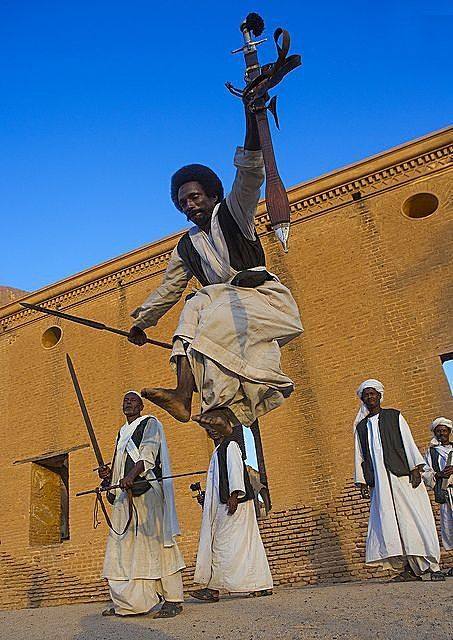
In June 1881 a devout Sufi sheikh named Muhammad Ahmad ibn Abdullah declared on Aba Island that he had been called to revive Islam and free the land from foreign rule, taking the title of al-Mahdi. His followers — the Ansar — came in their thousands, armed mostly with spears and the cross-hilted kaskara sword. Against all expectation, this popular uprising defeated army after army and, within four years, had swept foreign rule from almost all of Sudan.في يونيو ١٨٨١ أعلن شيخٌ صوفيٌّ تقيٌّ يُدعى محمد أحمد بن عبد الله في جزيرة أبا أنّه دُعي لإحياء الإسلام وتحرير البلاد من الحكم الأجنبي، واتّخذ لقب المهدي. فجاءه أتباعه — الأنصار — بالآلاف، سلاحهم في الأغلب الرماحُ وسيفُ الكسكرة المتصالبُ القبضة. وعلى غير المتوقّع، هزمت هذه الثورةُ الشعبيةُ جيشًا بعد جيش، وفي أربع سنواتٍ كنست الحكمَ الأجنبيّ عن السودان كلّه تقريبًا.
The Mahdist Warحرب المهدية
Battles That Made Historyمعاركُ صنعت التاريخ
1881
The Call at Aba Island
الدعوة في جزيرة أبا
On Aba Island in the White Nile, the Sufi sheikh Muhammad Ahmad proclaimed his call to revive the faith and end foreign rule — the spark that lit the Mahdist movement.في جزيرة أبا بالنيل الأبيض، أعلن الشيخ الصوفي محمد أحمد دعوته لإحياء الدين وإنهاء الحكم الأجنبي — الشرارة التي أشعلت الحركة المهدية.
1883
The Battle of Shaykan
معركة شيكان
In the forests of Kordofan the Ansar destroyed a large Anglo-Egyptian army led by William Hicks — a victory that stunned the world and freed nearly all of Sudan.في غابات كردفان أبادت قواتُ الأنصار جيشًا مصريًّا إنجليزيًّا كبيرًا بقيادة هكس — نصرٌ أذهل العالم وحرّر السودان كلّه تقريبًا.
1885
The Fall of Khartoum
فتح الخرطوم
After a siege of nearly a year, the Ansar entered Khartoum and the city fell; its governor Gordon was killed. Only days later the Mahdi himself passed away.بعد حصارٍ دام قرابة العام، دخل الأنصارُ الخرطوم فسقطت المدينة، وقُتل حاكمها غردون. وبعد أيّامٍ قلائل توفّي المهديُّ نفسه.
1885–98
The Mahdist State
الدولة المهدية
From a new capital at Omdurman, the Khalifa Abdullahi ruled an independent Sudanese state for thirteen years — the first modern state born of a Sudanese uprising.من عاصمةٍ جديدةٍ في أمدرمان، حكم الخليفةُ عبد الله دولةً سودانيةً مستقلّةً ثلاثةَ عشرَ عامًا — أوّلُ دولةٍ حديثةٍ تُولَد من ثورةٍ سودانية.
1898
The Battle of Omdurman
معركة أمدرمان
Kitchener returned with machine guns and artillery; the courage of the Ansar met modern firepower, and the Mahdist state fell. A defiant era had come to its close.عاد كتشنر بالرشّاشات والمدافع، فالتقت شجاعةُ الأنصار بالنيران الحديثة وسقطت الدولة المهدية. وهكذا انطوى عصرٌ من الإباء.
1898 · The Condominium١٨٩٨ · الحكم الثنائي
Under Two Flagsتحت رايتين
الحكم الإنجليزي المصري
At Omdurman in 1898, General Kitchener's machine guns ended the Mahdist state. Britain and Egypt then ruled Sudan jointly as the Anglo-Egyptian Condominium — though Britain held the real power. The decades that followed brought railways, the great Gezira cotton scheme and modern schools such as Gordon Memorial College. From those very classrooms rose a new, educated generation — the Graduates' Congress — who began to ask a simple question: why should Sudan not rule itself?في أمدرمان عام ١٨٩٨ أنهت رشّاشاتُ الجنرال كتشنر الدولةَ المهدية. ثمّ حكمت بريطانيا ومصر السودان معًا فيما عُرف بالحكم الثنائي — وإن كانت بريطانيا تمسك بالسلطة الحقيقية. وجلبت العقودُ التالية السككَ الحديدية ومشروعَ الجزيرة للقطن والمدارسَ الحديثة كـكلّية غردون التذكارية. ومن تلك القاعات نهض جيلٌ جديدٌ متعلّم — مؤتمر الخرّيجين — بدأ يسأل سؤالًا بسيطًا: لماذا لا يحكم السودانُ نفسه؟
1 January 1956١ يناير ١٩٥٦
The Flag Risesتُرفع الراية
On the first morning of 1956, the flag of an independent Sudan was raised over Khartoum. After more than a century under foreign rule, Sudan stood free — among the first nations in Africa to win its independence, and a beacon of hope for a whole continent still in chains.في صباح أوّل أيّام ١٩٥٦، رُفعت رايةُ السودان المستقلّ فوق الخرطوم. وبعد أكثر من قرنٍ تحت الحكم الأجنبي، وقف السودان حرًّا — من أوائل أمم إفريقيا نيلًا لاستقلالها، ومنارةَ أملٍ لقارّةٍ كاملةٍ ما تزال في الأغلال.
2018–2019 · The Revolution٢٠١٨–٢٠١٩ · الثورة
Tasgut Bas — Just Fallتسقط بس
ثورة ديسمبر المجيدة
In December 2018, protests over the price of bread in the city of Atbara grew into a peaceful, nationwide uprising. Millions filled the streets with a single chant — tasgut bas, "just fall" — and held a historic sit-in outside the army headquarters in Khartoum. On 11 April 2019, three decades of rule came to an end. Led with remarkable courage and discipline by the young — women and men, doctors, poets and students — the December Revolution showed the world the true spirit of the Sudanese people, even as it was paid for at a heavy price.في ديسمبر ٢٠١٨ تحوّل الاحتجاجُ على سعر الخبز في مدينة عطبرة إلى ثورةٍ سلميةٍ تعمّ البلاد. ملأ الملايين الشوارعَ بهتافٍ واحد — «تسقط بس» — واعتصموا اعتصامًا تاريخيًّا أمام القيادة العامّة للجيش في الخرطوم. وفي ١١ أبريل ٢٠١٩ انتهى حكمٌ دام ثلاثة عقود. وبقيادةٍ من الشباب — نساءً ورجالًا، أطبّاءَ وشعراءَ وطلابًا — بشجاعةٍ وانضباطٍ نادرين، أرت ثورةُ ديسمبر العالمَ روحَ الشعب السوداني الحقيقية، وإن دُفع ثمنُها غاليًا.
2023 · The War٢٠٢٣ · الحرب
A Nation Woundedوطنٌ جريح
أكبر أزمة نزوحٍ في العالم
On 15 April 2023, fighting erupted between two military forces in Khartoum and spread across the country. It has become the largest displacement crisis in the world: more than eleven million people driven from their homes, famine taking hold in several regions, and tens of thousands of lives lost. This page takes no side but one — the side of ordinary Sudanese families caught in the middle, who long only for the guns to fall silent and for peace to return to their land.في ١٥ أبريل ٢٠٢٣ اندلع القتالُ بين قوّتين عسكريّتين في الخرطوم وامتدّ إلى عموم البلاد، فصار أكبرَ أزمةِ نزوحٍ في العالم: أكثر من أحد عشر مليون إنسانٍ طُردوا من ديارهم، ومجاعةٌ تتمكّن من عدّة مناطق، وعشراتُ الآلاف من الأرواح فُقدت. لا تنحاز هذه الصفحة إلّا لجانبٍ واحد — جانبِ الأسر السودانية البسيطة العالقة في المنتصف، التي لا تتمنّى إلّا أن تصمت المدافعُ ويعود السلامُ إلى أرضها.
Don't Let the World Look Awayلا تدع العالم يُشيح بوجهه
Awareness is the first act of solidarity — and the smallest thing you can do today.الوعيُ أوّلُ خطوات التضامن — وأبسطُ ما يمكنك فعله اليوم.
01
Share Sudan's story — speak about it, post about it, and keep it in the conversation.انشر حكاية السودان — تحدّث عنها، واكتب عنها، وأبقِها حاضرةً في الحديث.
02
Support trusted humanitarian organisations delivering food, water and medicine.ادعم المنظمات الإنسانية الموثوقة التي توصِل الغذاء والماء والدواء.
03
Pray for peace, and remember the people of Sudan in your du'a.ادعُ بالسلام، واذكر أهل السودان في دعائك.
“Sudan has fallen many times — and risen every single time.”
«سقط السودان مرارًا — ونهض في كلّ مرّة.»
For the people of Sudanإلى أهل السودان
Discover the Sudan worth fighting forاكتشف السودان الذي يستحقّ الكفاح