Sudan's War of Dignityحربُ الكرامة
When a militia turned its guns on its own nation, the Sudanese people and their army paid a terrible price — and rose to defend their land. This is that story, told without flinching.حين صوّبت مليشيا بنادقها نحو وطنها، دفع الشعبُ السوداني وجيشُه ثمنًا فادحًا — ونهضوا للدفاع عن أرضهم. هذه هي تلك الحكاية، تُروى دون مواربة.
A War That Must Be Rememberedحربٌ يجب أن تُذكَر
On 15 April 2023 the Rapid Support Forces — a militia born within the state — rebelled against Sudan, killing, looting and displacing the very people it claimed to protect, with arms and money from foreign powers. What followed was two years of suffering and heroism. We set down these events plainly — the crimes and the courage alike — so that the world remembers, and so that the sacrifice of Sudan's heroes is never forgotten.في ١٥ أبريل ٢٠٢٣ تمرّدت مليشيا الدعم السريع — وهي مليشيا نشأت داخل الدولة — على السودان، فقتلت ونهبت وهجّرت الشعبَ الذي زعمت حمايته، بسلاحٍ ومالٍ من قوى خارجية. وتلا ذلك عامان من المعاناة والبطولة. نُثبِت هذه الأحداث بوضوح — الجرائمَ والشجاعةَ معًا — كي يتذكّر العالم، وكي لا تُنسى تضحياتُ أبطال السودان أبدًا.
A Foreign War on Sudanحربٌ أجنبية على السودان
This war was never Sudan's alone. A leaked United Nations Panel of Experts report found "credible" evidence that the United Arab Emirates armed and supplied the RSF — by flights, several times a week, through neighbouring Chad. Sudanese leaders such as Lt Gen Yasser al-Atta named it openly, calling the Emirates a "state of evil" waging a proxy war on the Sudanese people. The UAE denies it — but the evidence, and the wounds of Sudan, tell another story.لم تكن هذه الحربُ سودانيةً وحدها قطّ. كشف تقريرٌ مُسرَّب لفريق خبراء الأمم المتحدة عن أدلّةٍ «موثوقة» على أنّ الإماراتِ سلّحت الدعمَ السريع وأمدّته — بطائراتٍ عدّةَ مرّاتٍ في الأسبوع عبر تشاد المجاورة. وسمّاها قادةٌ سودانيون كالفريق أوّل ياسر العطا صراحةً، فوصف الإماراتِ بـ«دويلة الشرّ» التي تشنّ حربًا بالوكالة على الشعب السوداني. تنفي الإماراتُ ذلك — لكنّ الأدلّةَ، وجراحَ السودان، تروي حكايةً أخرى.
From Treachery to Liberationمن الغدر إلى التحرير
The Treachery Beginsبداية الغدر
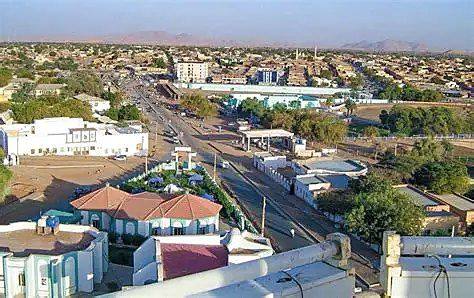
In the days before the war, the Rapid Support Forces — a militia that had grown into a state within the state — spread its fighters across the country and refused every order to stand down, massing at the Merowe airbase on 12 April. On the morning of 15 April 2023 it turned its guns on the Sudanese state, attacking the army and the very people it was meant to protect. A rebellion had begun.في الأيّام التي سبقت الحرب، نشرت مليشيا الدعم السريع — وقد صارت دولةً داخل الدولة — مقاتليها في أنحاء البلاد ورفضت كلّ أمرٍ بالانسحاب، وحشدت قرب قاعدة مروي الجوية في ١٢ أبريل. وفي صباح ١٥ أبريل ٢٠٢٣ صوّبت بنادقها نحو الدولة السودانية، فهاجمت الجيشَ والشعبَ الذي كان عليها أن تحميه. هكذا بدأ التمرّد.
The Sky Answeredالسماء تردّ
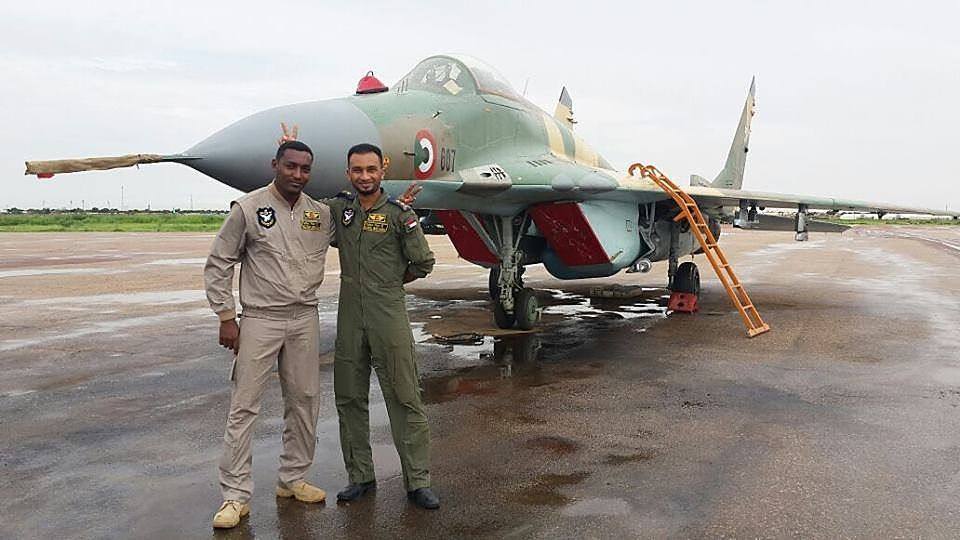
In the opening hours the militia seized airports and bases — Khartoum, Merowe, Jebel Awliya and Shaykan — and Wadi Sayidna was almost paralysed. Yet the Sudanese Air Force, led by Lt Gen (pilot) Talal Ali Al-Reeh, refused to fall. With very limited means he flew himself on the first day, striking the militia's command tower and destroying its communications — a single sortie that changed the course of the war and saved the capital from collapse.في الساعات الأولى استولت المليشيا على المطارات والقواعد — الخرطوم ومروي وجبل أولياء وشيكان — وكاد مطار وادي سيدنا يُشَلّ. لكنّ سلاح الجو السوداني، بقيادة اللواء الركن الطيّار طلال علي الريح، أبى أن يسقط. فبإمكاناتٍ محدودةٍ جدًّا قاد الطائرة بنفسه في اليوم الأوّل، وضرب برج قيادة المليشيا ودمّر شبكة اتصالاتها — طلعةٌ واحدة غيّرت مجرى الحرب وأنقذت العاصمة من الانهيار.
The General Command Holdsصمود القيادة العامة
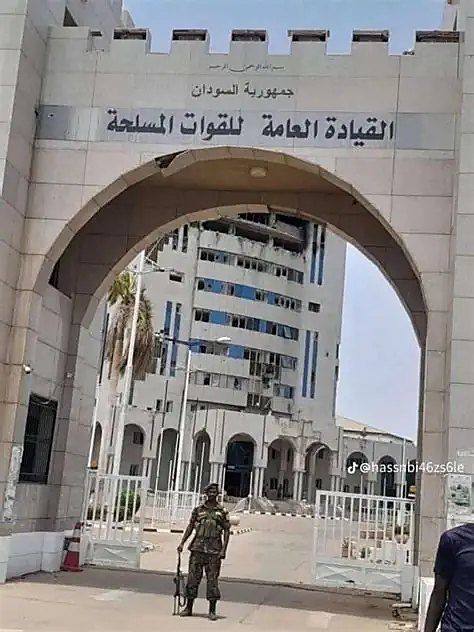
At the General Command in the heart of Khartoum, soldiers and the Corps of Engineers held their ground under siege for many long months, surrounded on every side. Though cut off and outnumbered, they never surrendered the symbol of the nation's army — and from there, one day, the long road to liberation would begin.في القيادة العامة بقلب الخرطوم، صمد الجنودُ وسلاحُ المهندسين تحت الحصار شهورًا طويلة، محاصرين من كلّ جانب. ورغم العزلة وقلّة العدد، لم يفرّطوا في رمز جيش الأمّة — ومن هناك، ذات يوم، كان سيبدأ طريقُ التحرير الطويل.
The Armored Corps Standsصمود سلاح المدرعات
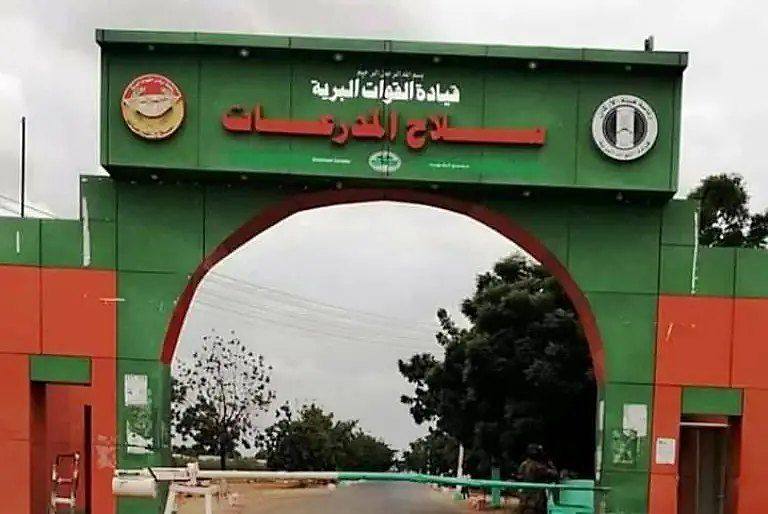
Few places saw resistance like the Armored Corps. Besieged for nearly two years, its soldiers — led by Lt Gen Nasr al-Din Abdel Fattah — broke wave after wave of attackers until Sudanese came to call the base "the graveyard of the Janjaweed." Here too fell heroes such as Maj Gen Ayoub, names the nation will never forget.قلّةٌ من المواقع شهدت صمودًا كسلاح المدرعات. حوصِر قرابة عامين، فكسر جنودُه — بقيادة الفريق نصر الدين عبد الفتاح — موجةً بعد موجةٍ من المهاجمين، حتى صار السودانيون يسمّون القاعدة «مقبرة الجنجويد». وهنا أيضًا استُشهد أبطالٌ كاللواء أيوب، أسماءٌ لن تنساها الأمّة.
The Siege Is Brokenيُفَكُّ الحصار
After endless months, the army's advancing columns finally reached the besieged garrisons and broke the encirclement of the Armored Corps and the General Command. Soldiers who had held on against all odds embraced their rescuers — proof that steadfastness, in the end, is rewarded.بعد شهورٍ لا تنتهي، بلغت أرتالُ الجيش المتقدّمة الحاميات المحاصرة وفكّت الطوقَ عن سلاح المدرعات والقيادة العامة. عانق الجنودُ الذين صمدوا رغم كلّ شيءٍ مُنقِذيهم — دليلٌ على أنّ الصبر يُكافَأ في النهاية.
El Fasher, Babanusa & Nyalaالفاشر وبابنوسة ونيالا
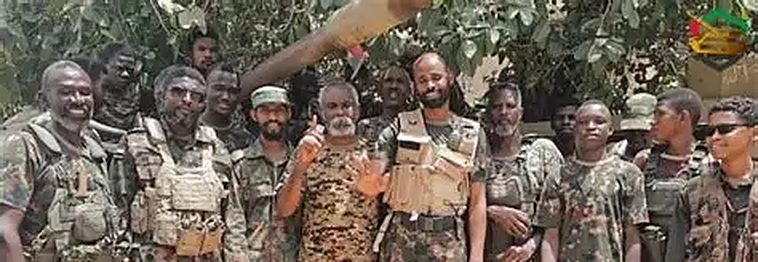
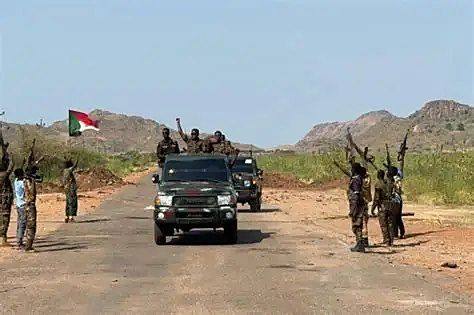
Far to the west, the garrisons of Darfur and Kordofan endured some of the longest sieges of the war. The heroes of Nyala, then Babanusa, then El Fasher held out for years against overwhelming assault and starvation; in Kordofan fell martyrs such as Muhannad Fadl. In the end these cities fell — and the fall of El Fasher in late 2025 brought atrocities a UN mission said bore "the hallmarks of genocide" — but their resistance bought the nation precious time, and will be honoured forever.في أقصى الغرب، احتملت حاميات دارفور وكردفان بعضًا من أطول حصارات الحرب. صمد أبطالُ نيالا، ثمّ بابنوسة، ثمّ الفاشر سنواتٍ في وجه هجومٍ ساحقٍ وتجويع؛ وفي كردفان استُشهد أبطالٌ كمهنّد فضل. وفي النهاية سقطت هذه المدن — وحمل سقوطُ الفاشر أواخر ٢٠٢٥ فظائعَ قالت بعثةٌ أمميةٌ إنّها تحمل «سماتِ الإبادة الجماعية» — لكنّ صمودها منح الوطنَ وقتًا ثمينًا، وسيبقى مخلَّدًا في الذاكرة.
When the Cities Fellحين سقطت المدن
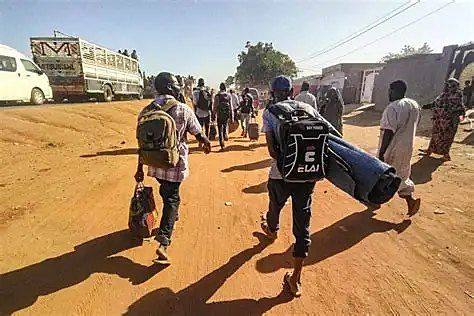
The militia poured into the Gezira and the south. Wad Madani fell in December 2023, then Sennar, Sinja, Dinder and Jebel Moya, and millions more were driven from their homes. It became the largest displacement crisis on Earth, with famine taking hold. For a time, it seemed to many Sudanese that hope itself had been lost.اندفعت المليشيا إلى الجزيرة والجنوب. سقطت ود مدني في ديسمبر ٢٠٢٣، ثمّ سنار وسنجة والدندر وجبل موية، وطُرد ملايينُ آخرون من ديارهم. فصارت أكبرَ أزمةِ نزوحٍ على الأرض، وتمكّنت المجاعةُ من البلاد. وبدا لكثيرٍ من السودانيين، لبرهة، أنّ الأملَ نفسه قد ضاع.
The Tide Turnsينقلب الميزان
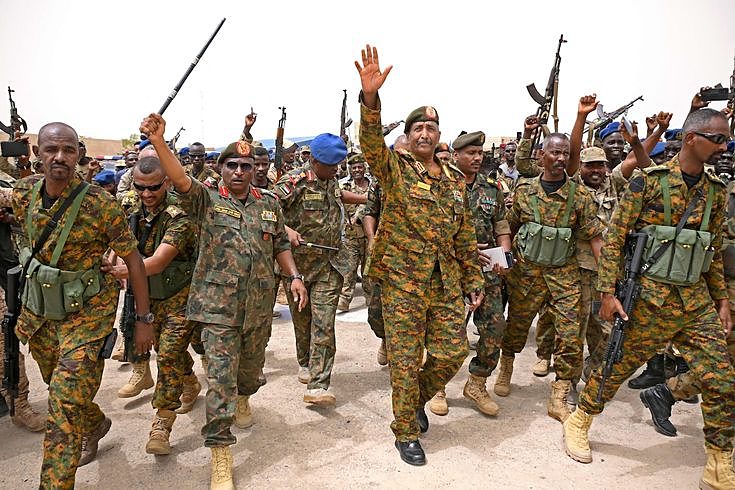
Then, by the grace of God and the resolve of its people, Sudan rose. From late 2024 the army and its allies counter-attacked, liberating Jebel Moya, Sinja, Sennar and Dinder. On 11 January 2025, after a three-front assault, Wad Madani was freed — and its people poured into the streets to greet the army that had come home.ثمّ، بفضل الله وعزيمة أهله، نهض السودان. فمن أواخر ٢٠٢٤ شنّ الجيشُ وحلفاؤه هجومًا مضادًّا، فحرّروا جبل موية وسنجة وسنار والدندر. وفي ١١ يناير ٢٠٢٥، بعد هجومٍ من ثلاثة محاور، تحرّرت ود مدني — وخرج أهلُها إلى الشوارع يستقبلون الجيشَ العائد إلى دياره.
The Jaili Refineryمصفاة الجيلي
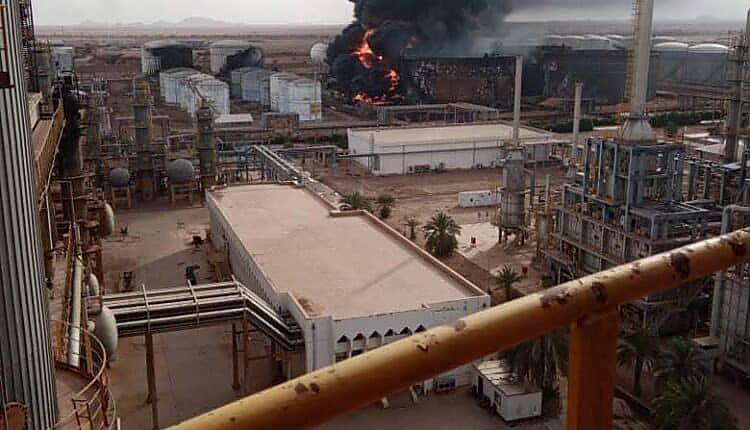
Pressing north of Khartoum, the army retook the great al-Jaili refinery — the country's largest, which supplies most of its fuel — on 25 January 2025. The militia left it ablaze as it fled, but its recapture tightened the ring closing around the capital.وبالتقدّم شمال الخرطوم، استعاد الجيشُ مصفاةَ الجيلي الكبرى — أكبر مصافي البلاد ومُوفِّرة معظم وقودها — في ٢٥ يناير ٢٠٢٥. تركتها المليشيا تحترق وهي تفرّ، لكنّ استعادتها أحكمت الطوقَ المنعقد حول العاصمة.
Khartoum Is Freeتحرير الخرطوم
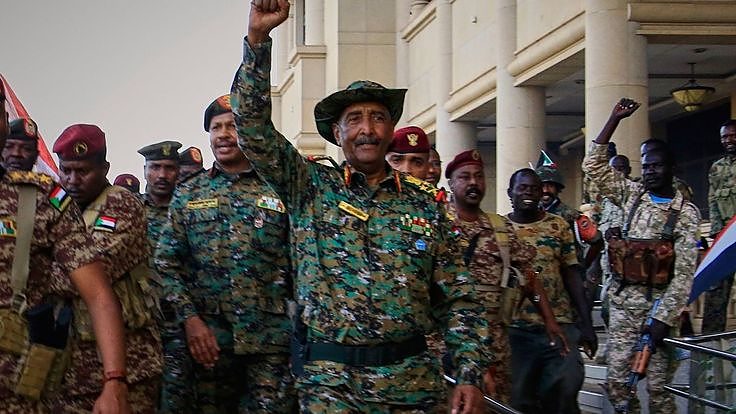
The capital was encircled and freed from every direction. On 21 March 2025 the army — its armoured columns, the elite special-operations brigade and the General Intelligence Service among them — retook the Republican Palace, then the airport. The militia collapsed and fled south across the Jebel Awliya bridge toward the west. By May 2025, Khartoum state was declared completely free.حوصِرت العاصمةُ وحُرِّرت من كلّ اتّجاه. في ٢١ مارس ٢٠٢٥ استعاد الجيشُ — بمدرعاته ولواء النخبة للعمليات الخاصّة وجهاز المخابرات العامّة — القصرَ الجمهوري، ثمّ المطار. فانهارت المليشيا وفرّت جنوبًا عبر جسر جبل أولياء نحو الغرب. وبحلول مايو ٢٠٢٥ أُعلِنت ولايةُ الخرطوم محرّرةً بالكامل.
Omdurman & the Voice of Sudanأمدرمان وصوت السودان
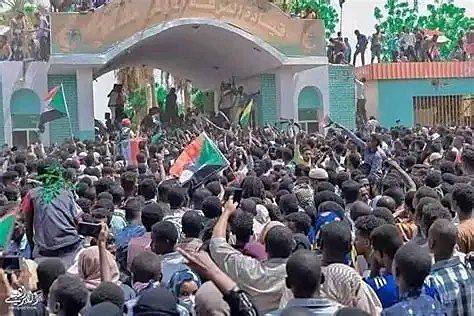
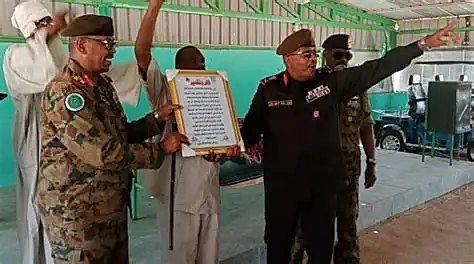
Across the three towns the people came out in their thousands, raising the flag over their freed neighbourhoods. Earlier, the battle for Omdurman — and the breaking of the siege of the National Radio, "the voice of Sudan" — had been a turning point, championed by leaders such as Lt Gen Yasser al-Atta, who became the loudest voice exposing the foreign hand behind the war.في المدن الثلاث خرج الناسُ بالآلاف يرفعون الرايةَ فوق أحيائهم المحرّرة. وقبل ذلك كانت معركةُ أمدرمان — وفكُّ الحصار عن الإذاعة القومية، «صوت السودان» — نقطةَ تحوّل، حملها قادةٌ كالفريق أوّل ياسر العطا، الذي صار أعلى صوتٍ يفضح اليدَ الأجنبية وراء الحرب.
The Sons of the Nationأبناء الوطن
This victory was not the army's alone. It was won by the Armed Forces and the Air Force, the General Intelligence Service, the Police, the Joint Force, and the countless mujahideen and mustanfireen — ordinary citizens who took up arms for their land. To the martyrs and the wounded, and to every hero who stood firm, the nation owes a debt it can never repay.لم يكن هذا النصرُ للجيش وحده. صنعته القواتُ المسلحة وسلاحُ الجو، وجهازُ المخابرات العامّة، والشرطة، والقوةُ المشتركة، وآلافُ المجاهدين والمستنفرين — مواطنون عاديّون حملوا السلاحَ من أجل أرضهم. وإلى الشهداء والجرحى، وإلى كلّ بطلٍ صمد، يدين الوطنُ بدَينٍ لا يُوفّى.
“They came to erase a nation — and a nation rose to bury their dream.”
«جاؤوا ليمحوا وطنًا — فنهض الوطنُ ليدفن حلمهم.»
To the martyrs of Sudanإلى شهداء السودان